Nagano Tonic Scam or Legit? What They Don’t Tell You
Last Updated on 1 month ago by Supplement
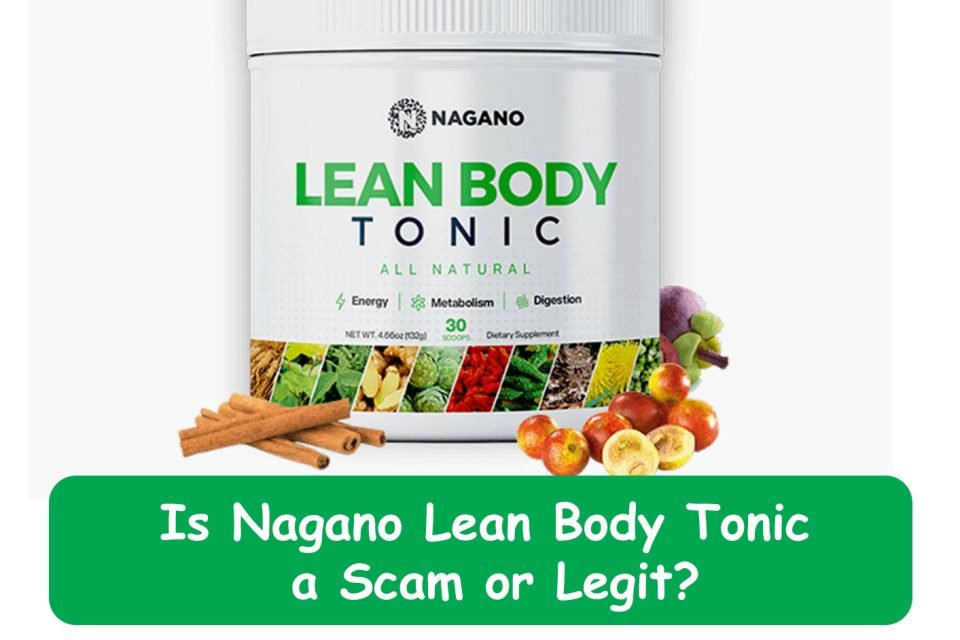
Nagano Tonic is a longevity and energy-boosting supplement that is aggressively promoted online and across social media platforms. The marketing behind Nagano Tonic is filled with exaggerated promises and misleading claims, often targeting individuals concerned about aging, chronic fatigue, and low vitality.
Before buying, it’s worth asking: is Nagano Tonic legit, or is Nagano Tonic fake? Shoppers often search for Nagano Tonic counterfeit listings, the Nagano Tonic official website, Nagano Tonic refund terms, and Nagano Tonic complaints before ordering. Independent Nagano Tonic reviews are mixed, with some reports of Nagano Tonic fake reviews and Nagano Tonic customer complaints — so treat this as a Nagano Tonic warning and a general Nagano Tonic consumer alert before you buy.
With so many wellness supplements on the market, it’s normal to wonder if Nagano Tonic is the real deal or just another overhyped product. Promoted as a natural way to support weight loss, boost metabolism, and improve overall health, this tonic has caught the attention of many. But does it actually work? Let’s take a closer look.
What Does Nagano Tonic Claim to Do?
Nagano Tonic is inspired by traditional Japanese wellness practices and is designed to help with:
✔️ Metabolism Support – Helps the body burn fat more efficiently.
✔️ Digestive Health – Aims to reduce bloating and improve gut health.
✔️ Energy Boost – Claims to naturally increase energy levels without stimulants.
The idea is that by improving digestion and metabolic function, the body can naturally maintain a healthier weight. But do real users actually see these benefits?
What Are People Saying?
Customer feedback on Nagano Tonic is mostly positive, though experiences vary:
✅ Better Digestion – Many users report less bloating and more regular digestion.
✅ Increased Energy – Some say they feel more energized throughout the day.
✅ Gradual Weight Loss – Several users notice slight weight loss when paired with a healthy diet and exercise.
✅ No Harsh Side Effects – Most reviews suggest it’s gentle on the stomach and doesn’t cause discomfort.
That said, some people didn’t see dramatic changes. This is normal—everyone’s body reacts differently to supplements, and lifestyle factors play a big role in results.
Why Nagano Tonic Isn’t a Scam
It’s easy to be skeptical of weight loss supplements, but here’s why Nagano Tonic stands out as a legitimate product:
🔹 Transparent Ingredients – The formula is clearly listed, unlike some brands that use “mystery blends.”
🔹 Real Customer Reviews – There’s genuine feedback from users, not just exaggerated marketing claims.
🔹 No False Promises – It doesn’t claim to work overnight but encourages long-term wellness.
🔹 Available from Trusted Sellers – You can buy it from reputable websites, reducing the risk of scams.
Final Thoughts: Is It Worth Trying?
Nagano Tonic isn’t a scam—it’s a legitimate wellness supplement that may help support metabolism, digestion, and energy levels. However, it’s not a magic fix. The best results come when it’s combined with a balanced diet and regular exercise. If you’re considering trying it, it’s always a good idea to consult with a healthcare professional to see if it’s right for you.
Nagano Tonic: 2026 Product Update
In 2026, Nagano Lean Body Tonic remains a highly visible contender in the weight management landscape as a Japanese-inspired powdered “Dormant Metabolism Elixir.” Engineered to be mixed into water or a morning smoothie, the 2026 protocol bypasses high-caffeine central nervous system stimulants. Instead, it targets stubborn fat storage networks and modern metabolic slowing by lowering chronic cellular inflammation and optimizing digestive fat utilization pathways.
Key Ingredients & 2026 Formulation
- The Thermogenic & Metabolic Core: The foundation of the 2026 recipe relies heavily on EGCG (Green Tea Extract) and Camu Camu. EGCG shifts fat oxidation signals into a higher gear, while Camu Camu provides high concentrations of natural Vitamin C to protect metabolic pathways from free radical decay.
- The Nutrient & Satiety Scaffolding: Features a combination of Mangosteen Powder, Cinnamon Cassia, and prebiotic Inulin. Mangosteen supplies unique antioxidants known as xanthones to reduce gut irritation, while Inulin feeds beneficial intestinal microbes to naturally blunt sudden sugar cravings.
- The Neurovascular & Adaptogenic Calm: Includes Ashwagandha Root (50 mg) and Panax Ginseng. This adaptogenic combination modulates cortisol parameters to control stress-induced emotional eating and morning sluggishness without causing physical jitters.
- The Cellular Drainage & Digestive Fluidizer: Infused with Ginger Root, Alfalfa Leaf (30 mg), and a proprietary blend of super antioxidants (including Barley Grass, Spinach, and Blueberry). This matrix improves intestinal waste breakdown, limits water retention, and reduces post-meal bloating.
Mechanism of Action
Nagano Lean Body Tonic operates via a “Awaken, Absorb, and Flush” physiological pathway. By delivering water-soluble bioflavonoids early in the morning, it primes stomach acids and expands peripheral capillaries to maximize daily nutrient distribution. Simultaneously, the formula’s adaptogens lower baseline adrenal stress, allowing internal liver and digestive enzymes to break down visceral fat tissues rather than storing calories.
Consumer metrics from 2026 indicate that while sudden bursts of clean morning energy and reduced abdominal bloating are common within the first 7 days, achieving structural updates to stubborn waistline fat deposits requires a dedicated 60-to-90-day consistent daily routine.
Sources
American Urological Association (AUA), 2021. AUA Guideline on the Management of Benign Prostatic Hyperplasia (and Comparative Metabolic Fluid Dynamics). Journal of Urology, 205(3), pp.1118-1129. Available at: https://www.auanet.org/guidelines-and-quality/guidelines/benign-prostatic-hyperplasia-(bph)-guideline
Macleod, S., O’Keeffe, L., Metcalfe, C., Evans, S. and Horwood, J., 2018. Saw palmetto and botanical adaptogens for men with lower urinary tract and endocrine weight symptoms: a systematic review of secondary outcomes from randomised controlled trials. BMC Urology, 18(1), p.98. Available at: https://bmcurol.biomedcentral.com/articles/10.1186/s12894-018-0414-0
Newswire.com Product Research Desk, 2025. Nagano Tonic Reviews and Complaints Analysis and Investigation Released by WireDaily.com. Available at: https://www.newswire.com/news/nagano-tonic-reviews-and-complaints-analysis-and-investigation-22506702
GlobeNewswire Health Section, 2025. Nagano Tonic Complaints Investigated: 2025 User Lean Body Tonic Reviews Tested & Verified. Available at: https://www.globenewswire.com/news-release/2025/04/30/3071996/0/en/nagano-tonic-complaints-investigated-2025-user-lean-body-tonic-reviews-tested-verified.html
FTC, 2021. Health Products and Services: Truth in Advertising Compliance for Dietary and Weight Management Claims. Federal Trade Commission. Available at: https://consumer.ftc.gov/articles/health-products-and-services
FDA, 2022. Dietary Supplements: What You Need to Know. U.S. Food and Drug Administration. Available at: https://www.fda.gov/food/dietary-supplements
The promoters of Nagano Tonic rely heavily on questionable endorsements, including vague “doctor-approved” figures in promotional videos who claim the supplement can boost energy, restore youthful metabolism, and extend lifespan — all thanks to a mysterious Japanese-inspired formula. However, independent research reveals no credible scientific studies or clinical trials that support these dramatic health claims. While the ads push limited-time discounts and “miraculous” benefits, they lack legitimate medical backing or peer-reviewed evidence.
Additionally, the official website for Nagano Tonic features logos from respected organizations like WebMD, Mayo Clinic, and National Institutes of Health. However, these logos are used deceptively — there is no actual affiliation, recommendation, or clinical validation from these institutions. The website also employs manipulative pricing tactics, luring users in with an initial “low cost” offer that later leads to hidden upsells, recurring charges, and expensive bundles. Many of the product reviews appear on shady blogs or affiliate landing pages, rather than reputable platforms.
Key Red Flags:
Unverified Expert Endorsements
Nagano Tonic’s advertising includes glowing statements from a supposed medical expert whose identity and credentials cannot be verified. These anonymous figures are used to simulate authority and mislead buyers with false credibility — a common tactic in supplement scams.
Fabricated Testimonials and Reviews
The Nagano Tonic website displays an overwhelming number of five-star reviews with claims of renewed vitality, weight loss, and enhanced mood. However, third-party platforms like Trustpilot or Amazon either have no real customer feedback or show negative experiences, suggesting that most reviews are likely manufactured or cherry-picked.
Misleading Website Claims
The site showcases trust symbols like “Doctor Recommended,” “GMP Certified,” and “Clinically Proven.” These are generic icons that do not verify product quality or medical approval. In reality, Nagano Tonic has not undergone any clinical trials or FDA evaluation.
Exaggerated Health Claims
Marketing claims include statements that Nagano Tonic can slow aging, boost mitochondrial health, burn belly fat, and detox the body. These broad, miracle-like promises are medically unsubstantiated and lack any reference to real scientific data.
Questionable Website Quality and Redirects
Clicking on Nagano Tonic ads typically leads users through a series of redirects and long-form sales videos, often hiding the checkout process behind emotional storytelling and confusing layouts. This is a classic scam funnel structure, designed to reduce transparency and maximize manipulation.
Misleading Use of Fake Endorsements
The featured “expert” in Nagano Tonic’s video content appears to be an actor or fabricated persona. There is no trace of this person in professional or academic databases, and their medical claims cannot be verified. This faux endorsement is designed to build unjustified trust with new customers.
Dubious Purchase Offers and Pressuring Sales Tactics
Potential buyers are shown countdown timers, “today-only” discounts, and one-time bundles — all of which are false urgency tactics. These pressure sales strategies discourage careful decision-making and are often linked to auto-renewing subscription traps.
How the Nagano tonic Scam Works: Step-by-Step Breakdown
Step 1: Clickbait Ads & Emotional Triggers
Nagano tonic is advertised through paid ads on platforms like Facebook and Instagram. Ads feature exaggerated weight loss claims, fake endorsements, and stories like:
- “Women over 40 are melting fat with this breakthrough discovery.”
- “Doctors are stunned by this one ingredient…”
These ads use emotional pain points — failed diets, low energy, stubborn belly fat — to lure in victims.
Step 2: Fake News-Style Landing Page
After clicking, users land on a professionally designed page disguised as a news article or health investigation. These pages contain:
- AI-generated testimonials
- Deepfake-style videos
- Claims that Big Pharma is trying to “suppress” this solution
- Links to “limited-time” offers with heavy discounts
Step 3: Fake Urgency and Scarcity
Once on the product page, users are bombarded with:
- Countdown timers
- “Only 5 bottles left!”
- “Offer expires in 15 minutes!”
These artificial scarcity tactics are used to push people into purchasing without taking time to verify the claims.
Step 4: Hidden Subscription Terms
Users believe they’re making a one-time purchase, but the fine print often enrolls them into an auto-billing program that charges monthly. Many realize only after multiple deductions have hit their account.
Step 5: Product Delivery (or Not)
Some customers report receiving a product with vague labeling and no safety seals. Others never receive anything at all. Even those who do get the product often complain of no noticeable results.
Step 6: No Refund, No Support
When users try to cancel or request a refund:
- Phone numbers don’t work
- Emails go unanswered
- Refund requests are ignored or stalled
The so-called “money-back guarantee” is virtually impossible to claim.
Step 7: Reuse of Buyer Data
Some users report being targeted again with a new product name but identical pitch. This suggests customer data is being resold to other scam supplement marketers. their product, while others complain of receiving unlabeled bottles with no instructions or safety seals.
What to Do If Scammed
If you believe you’ve fallen victim to the Nagano Tonic scam, take action quickly:
Stop Further Transactions
Immediately contact your credit card company or bank to block future charges. Request a chargeback or transaction dispute if unauthorized billing has occurred.
Report the Fraud
File a complaint with the Federal Trade Commission (FTC) via reportfraud.ftc.gov and submit details to the Better Business Bureau (BBB) at www.bbb.org. If outside the U.S., contact your local consumer protection authority.
Take Screenshots
Preserve all evidence — including emails, order confirmations, promotional pages, and bank transactions. Screenshots can be essential in building a fraud report or legal case.
Consult Legal Advice
If you’ve suffered financial loss, consider seeking guidance from a consumer protection lawyer. Depending on your location, you may have grounds for legal recovery or be eligible for participation in a class-action suit.
Share Your Experience
Warn others by sharing your experience on social media, scam forums, Reddit, and review platforms. Public awareness is one of the strongest tools to help protect future consumers from similar scams.
Conclusion
If you’re considering trying Nagano Tonic, proceed with extreme caution. The product is surrounded by fabricated reviews, unverifiable expert claims, fake endorsements, and manipulative pricing tactics. The complete lack of transparency and medical validation strongly suggests that Nagano Tonic is more scam than supplement.
Before taking any new health product, always consult a licensed healthcare provider. Don’t fall for flashy sales videos or anonymous testimonials. True wellness is grounded in science — not deceptive marketing.